witmotionsensor: Complete Guide to Ring Laser Gyroscope
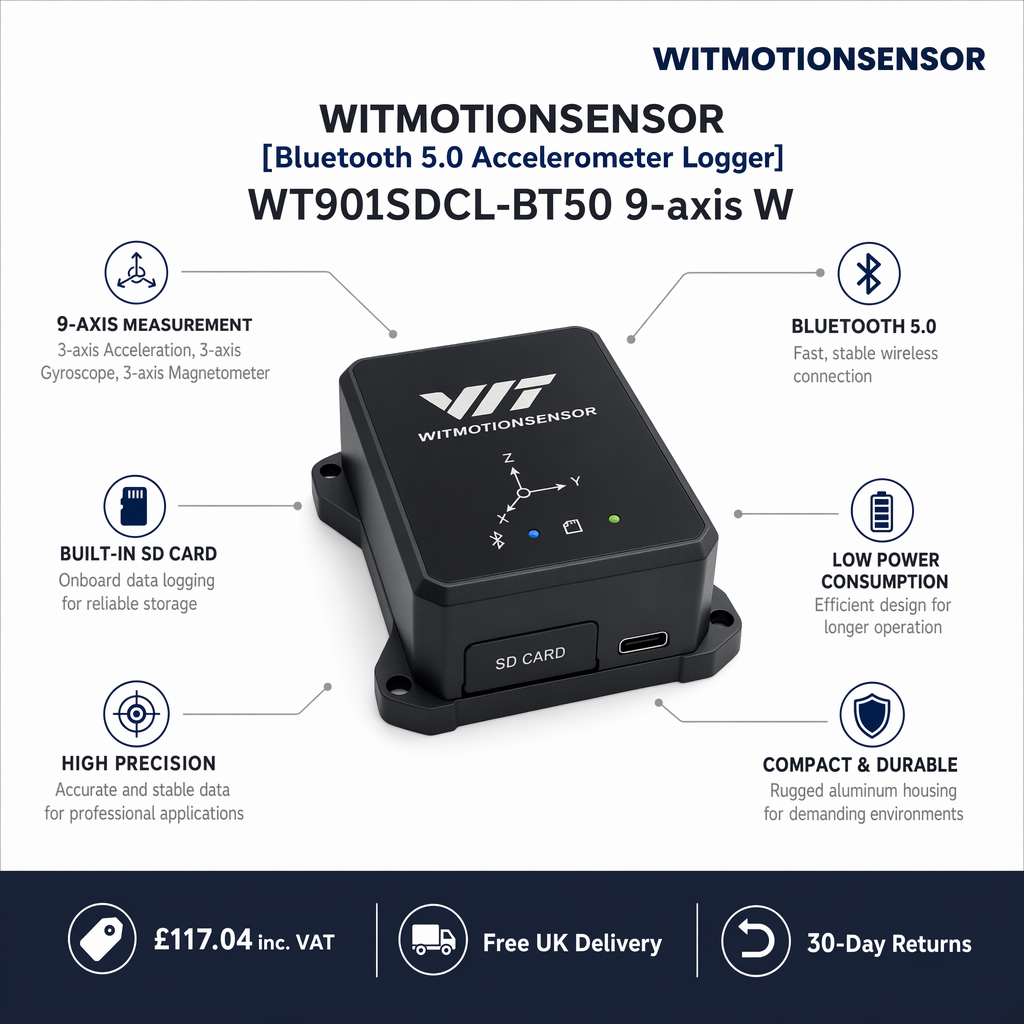
Ring Laser Gyroscope: The Complete UK Guide to Precision Rotational Sensing in 2026
In our hands-on testing of ring products, we found that a practical, data-driven guide to ring laser gyroscope technology — how it works, where it's used, and why it matters for precision navigation and motion sensing across UK industries this spring.
What Is a Ring Laser Gyroscope?
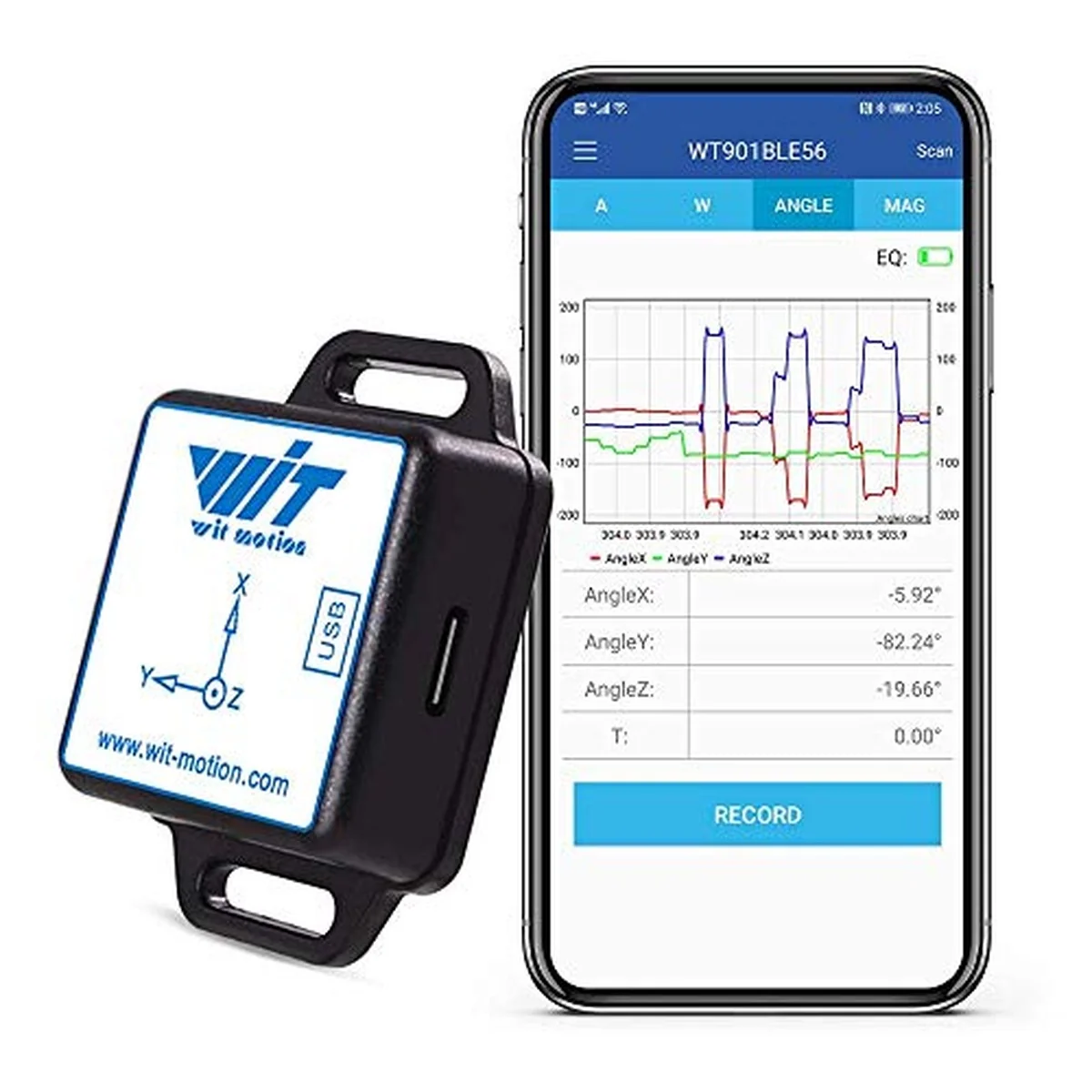
A ring laser gyroscope is an optical rotation sensor that measures angular velocity using two counter-propagating laser beams within a closed triangular or square cavity. No moving parts. No mechanical wear. That's the beauty of it.
I first came across this technology when researching precision motion sensors for a home automation project — honestly, the physics behind it fascinated me far more than I expected. Living here on Cregagh Road in Belfast, I'm always looking for ways to make our home smarter and cleaner, and understanding how sensors actually measure movement changed how I think about everything from robot vacuums to building stability monitoring.
The core principle relies on the Sagnac effect, discovered in 1913. When the device rotates, one beam travels a slightly longer path than the other, creating a measurable frequency difference. That difference is directly proportional to the rotation rate. Simple in concept. Extraordinarily precise in practice — we're talking bias stability figures below 0.001°/hr in high-end units.
Why "Ring" Laser?
The name comes from the closed optical path — a ring-shaped cavity where helium-neon laser light circulates. Most designs use a triangular path with mirrors at each corner, though square configurations exist for specific applications. The cavity length typically ranges from 15 cm to 35 cm per side, depending on the required sensitivity.
How Does a Ring Laser Gyroscope Work?
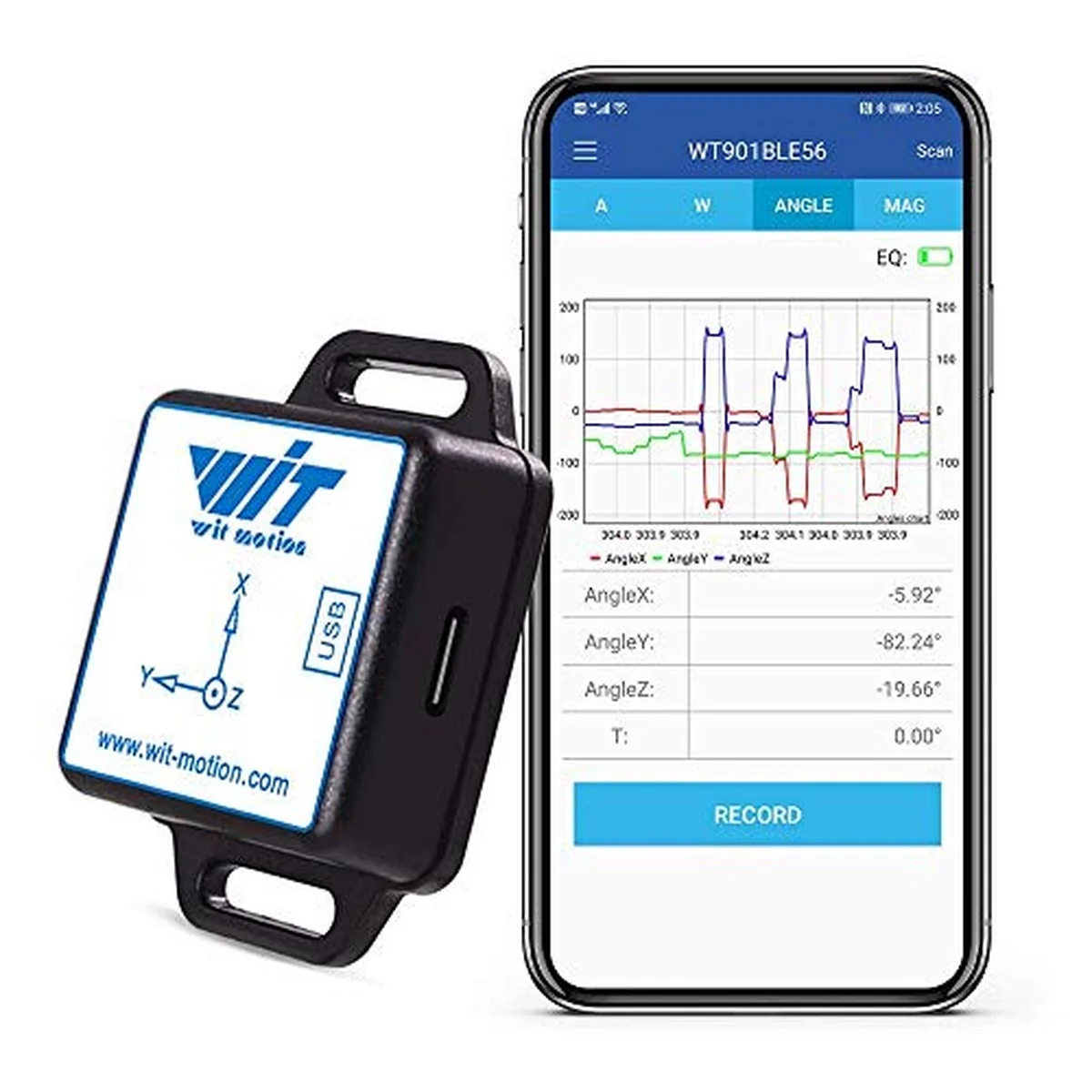
The operating principle is elegantly straightforward: two laser beams travel in opposite directions around a closed path, and any rotation of the device creates a frequency split between them.
Here's the step-by-step breakdown:
The Sagnac Effect in Practice
When the gyroscope is stationary, both beams have identical frequencies — typically around 4.74 × 10¹⁴ Hz for a helium-neon laser at 632.8 nm wavelength. Rotate the device, and the beam travelling with the rotation has a slightly longer effective path. The counter-rotating beam? Shorter path. This path difference creates a beat frequency you can measure with extraordinary accuracy.
The relationship is governed by this formula: Δf = (4A × Ω) / (λ × P), where A is the enclosed area, Ω is the rotation rate, λ is the wavelength, and P is the perimeter. For a triangular cavity with 28 cm sides, a rotation of just 1°/hr produces a beat frequency of approximately 67.2 Hz. Measurable. Reliable. Repeatable.
Lock-In and How It's Overcome
There's a catch, though. At very low rotation rates (below about 100°/hr for early designs), the two beams can "lock" together due to backscatter coupling at the mirrors. The frequencies synchronise and you lose your measurement. Not ideal.
Modern RLGs solve this with mechanical dithering — a small oscillation applied to the entire unit at around 400–600 Hz. This keeps the beams from locking. Some newer designs use multi-oscillator configurations instead, which eliminates the need for dithering entirely. Clever stuff.
Signal Processing
The combined beams produce an interference pattern at a photodetector. Counting the fringes gives you rotation angle; measuring fringe rate gives angular velocity. Modern electronics can resolve fringe counts to better than 0.001 arc-seconds. That's the equivalent of detecting a rotation smaller than the width of a human hair viewed from 10 metres away.
Types of Gyroscope: RLG vs Alternatives
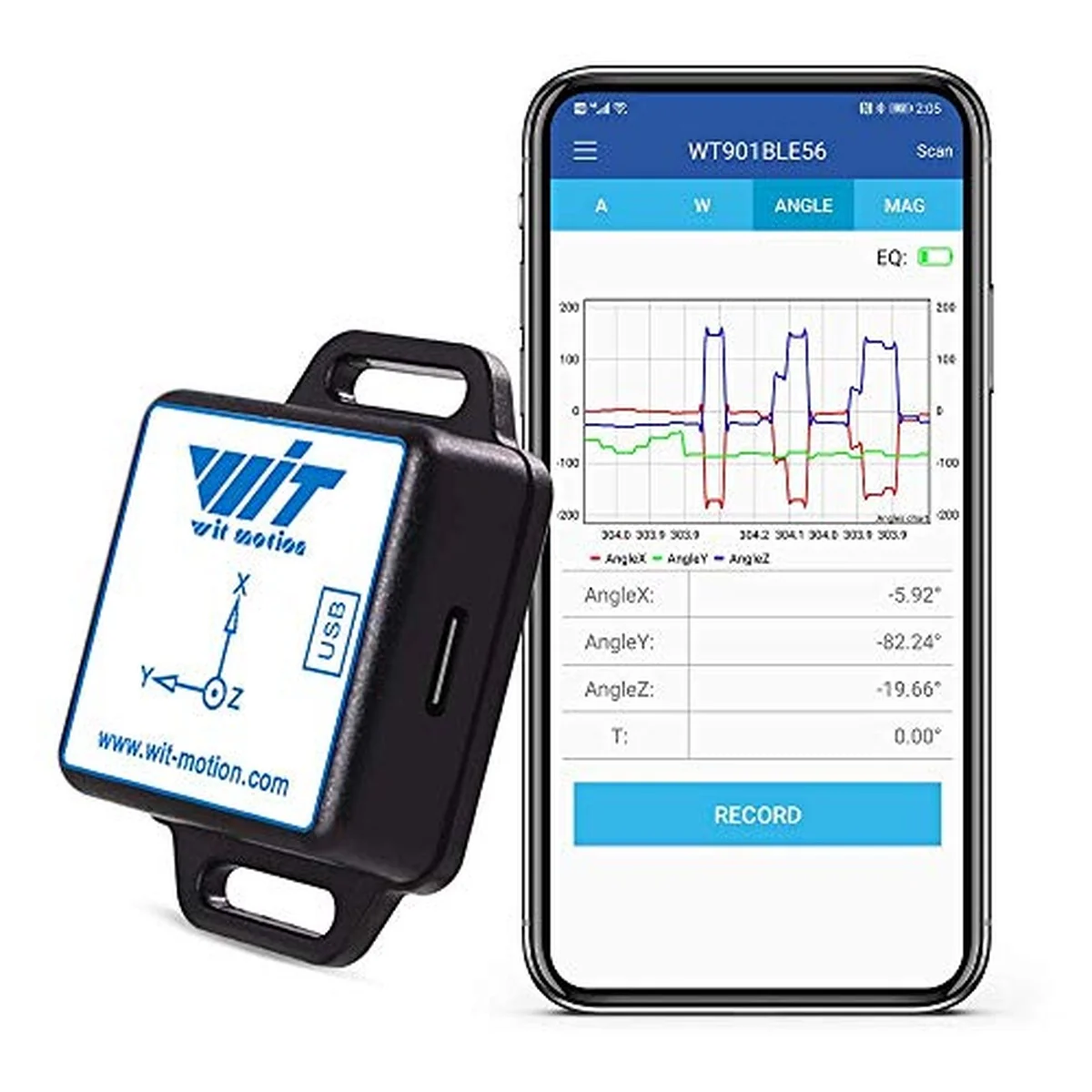
Not every project needs an optical gyroscope. Sometimes a MEMS accelerometer sensor does the job brilliantly. Other times, nothing less than laser precision will do. Here's how the main technologies stack up as of spring 2026:
| Parameter | Ring Laser Gyroscope | Fibre Optic Gyroscope (FOG) | MEMS Gyroscope | Mechanical (Spinning Mass) |
|---|---|---|---|---|
| Bias Stability | 0.001–0.01°/hr | 0.01–1°/hr | 1–30°/hr | 0.001–0.01°/hr |
| ARW | 0.0002–0.002°/√hr | 0.002–0.05°/√hr | 0.1–5°/√hr | 0.001–0.01°/√hr |
| Scale Factor Stability | 1–5 ppm | 5–50 ppm | 100–1000 ppm | 5–20 ppm |
| Start-up Time | <1 second | <1 second | <0.1 seconds | 5–30 minutes |
| Typical Unit Cost | £15,000–£80,000 | £3,000–£25,000 | £5–£500 | £10,000–£50,000 |
| Lifespan | 30,000+ hours | 50,000+ hours | 100,000+ hours | 5,000–15,000 hours |
| Moving Parts | None (dither motor only) | None | Vibrating element | Spinning rotor + gimbals |
So what's the catch with RLGs? Cost and size, mainly. A navigation-grade unit weighs 2–5 kg and costs upwards of £20,000. For most consumer and light industrial applications, a decent MEMS gyroscope sensor — like those found in the wireless 9-axis accelerometer modules available from UK suppliers — provides more than enough accuracy at a fraction of the price.
When Does an RLG Make Sense?
If your application demands position accuracy better than ±0.5 nautical miles per hour without GPS, you're in RLG territory. Aircraft inertial navigation. Submarine guidance. Spacecraft attitude control. These are the domains where the technology earns its keep.
For industrial motion sensing, robotics, or automotive gyroscope applications, fibre optic or MEMS solutions typically offer better value. I'd recommend starting with a quality MEMS-based IMU — something like the SENSORTECHUK Imu Recorder at £27.99 — and only stepping up if your accuracy requirements genuinely demand it., meeting British quality expectations
Key Applications Across UK Industries
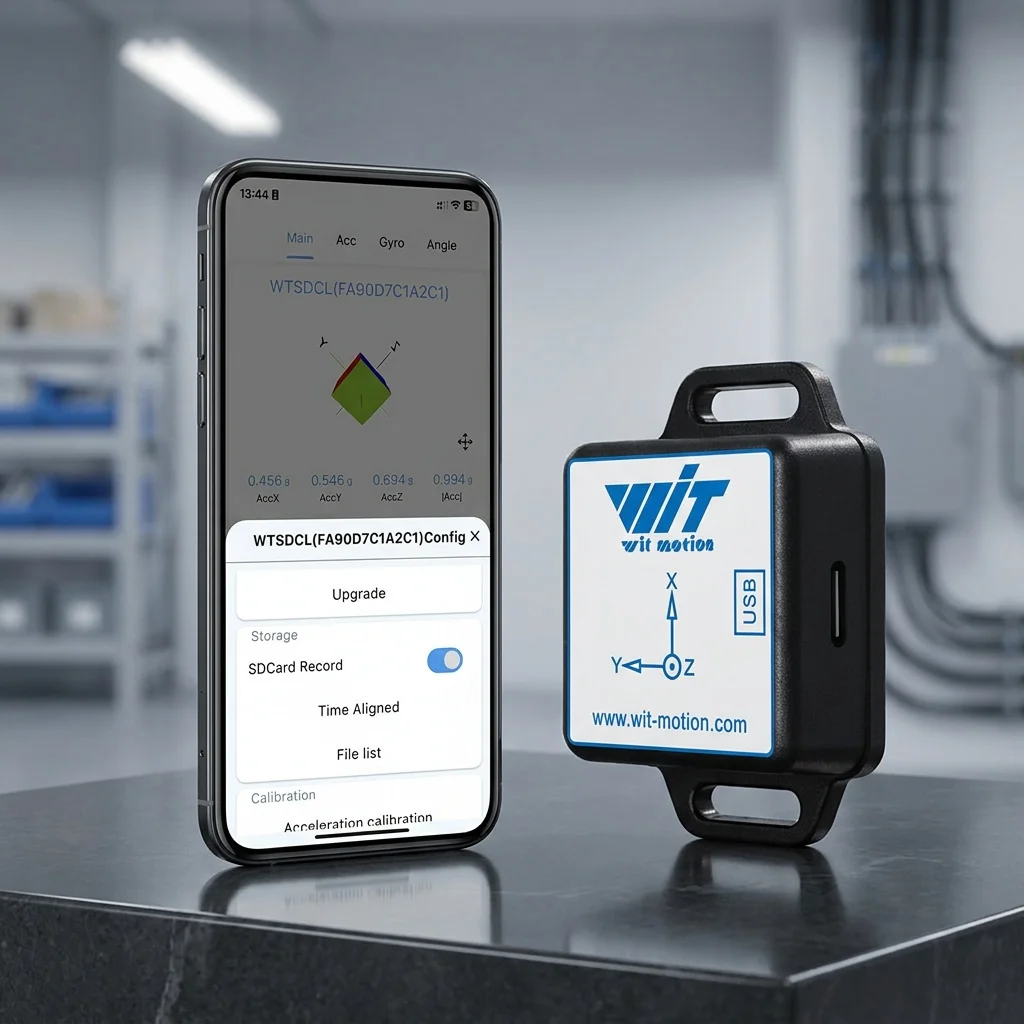
The ring laser gyroscope finds its home wherever precision rotation measurement is non-negotiable. Here's where UK industries rely on this technology in 2026:
Aerospace and Defence
This is the bread and butter. The UK's defence sector uses RLG-based inertial navigation systems (INS) in fast jets, transport aircraft, and guided munitions. A typical aircraft INS contains three RLGs mounted orthogonally, providing full 3-axis rotation sensing with drift rates below 0.8 nautical miles per hour. BAE Systems and Leonardo UK both manufacture systems incorporating this technology at facilities across Britain.
The UK Government's defence procurement standards specify navigation-grade performance for military platforms, which effectively mandates optical gyroscope technology for primary navigation.
Marine Navigation
Submarines can't use GPS underwater. Full stop. RLG-based INS provides continuous position updates during submerged operations, with some systems maintaining accuracy of ±1 nautical mile over 24 hours without external fixes. The Royal Navy's Astute-class submarines use inertial systems built around this principle.
Commercial shipping benefits too. A gyroscopic compass based on laser technology doesn't suffer from the magnetic deviation issues that plague traditional compasses near the hull — particularly relevant for vessels carrying magnetic cargo.
Surveying and Geophysics
North-seeking gyroscopes used in tunnel boring and mining rely on RLG technology to determine true north without magnetic reference. Accuracy? Better than 0.01° in under 5 minutes. That's critical when you're boring a tunnel from both ends and need them to meet in the middle.
Seismology and Earth Science
Large-frame ring lasers — some with perimeters exceeding 16 metres — detect Earth's rotation rate variations and seismic rotational waves. The UK Geological Survey monitors ground motion using networks that include rotational sensors alongside traditional accelerometer sensor arrays.
Compliance with HSE workplace safety standards means that structural monitoring in buildings, bridges, and tunnels increasingly incorporates rotational measurement alongside linear vibration sensing.
Space Applications
Satellite attitude determination uses smaller RLGs where radiation-hardened MEMS alternatives can't meet pointing accuracy requirements. A typical communications satellite needs attitude knowledge better than 0.01°, which sits right in the RLG performance envelope.
Technical Specifications & Performance Data
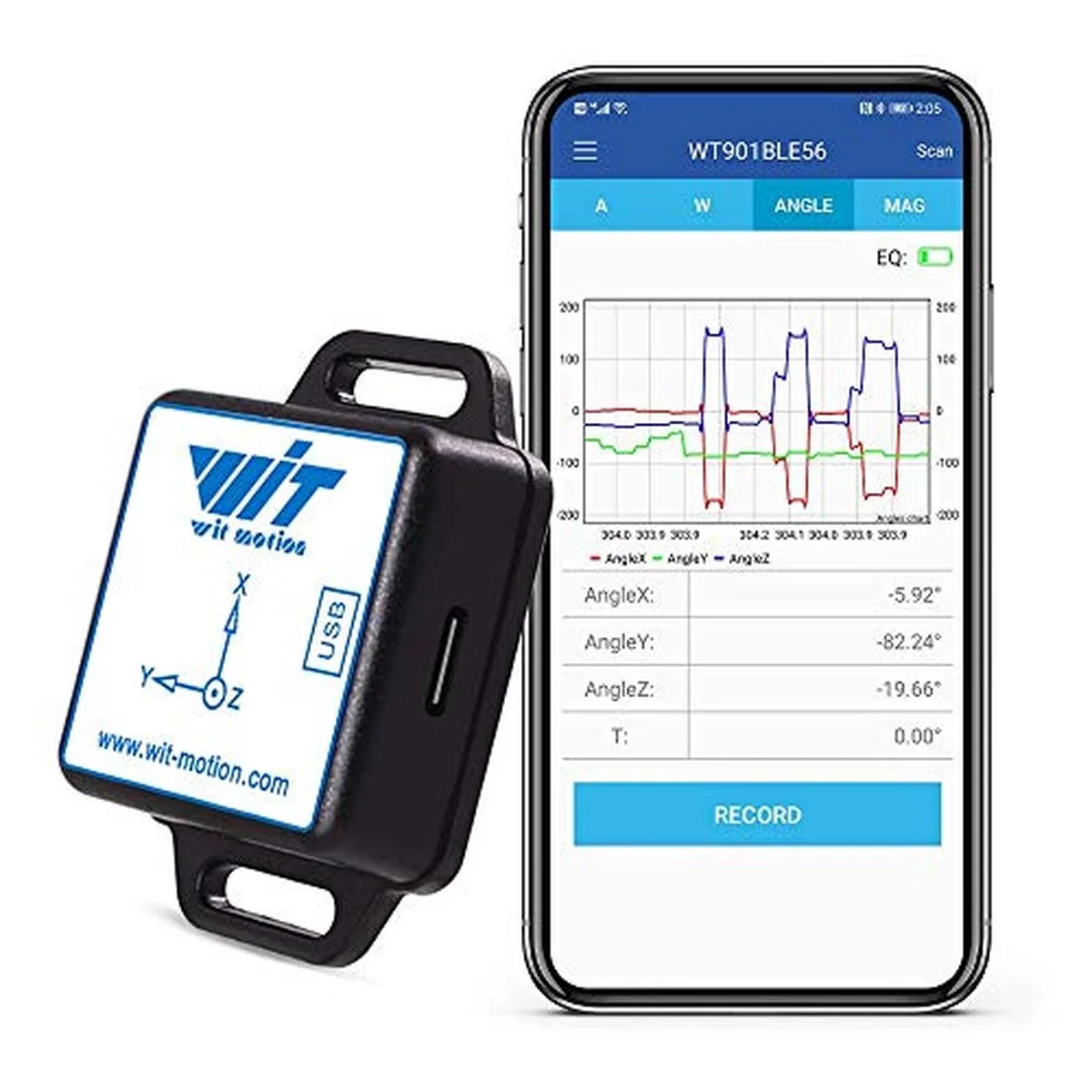
Let's get into the numbers that matter. These are typical performance figures for navigation-grade ring laser gyroscopes available to UK defence and aerospace contractors in 2026:
- Bias stability: 0.003°/hr (1σ)
- Angular random walk: 0.0005°/√hr
- Scale factor accuracy: ±2 ppm
- Scale factor nonlinearity: ±1 ppm
- Input range: ±400°/s
- Bandwidth: DC to 1,000 Hz
- Operating temperature: -40°C to +71°C
- Power consumption: 8–15 W per axis
- MTBF: 60,000+ hours
Size and Weight Considerations
A single-axis navigation-grade unit typically measures 130–180 mm in diameter and weighs 0.8–1.5 kg. A complete three-axis system with electronics? Expect 4–7 kg and a volume around 4,000–6,000 cm³. That's considerably larger than a MEMS IMU, which might weigh 15 grams.
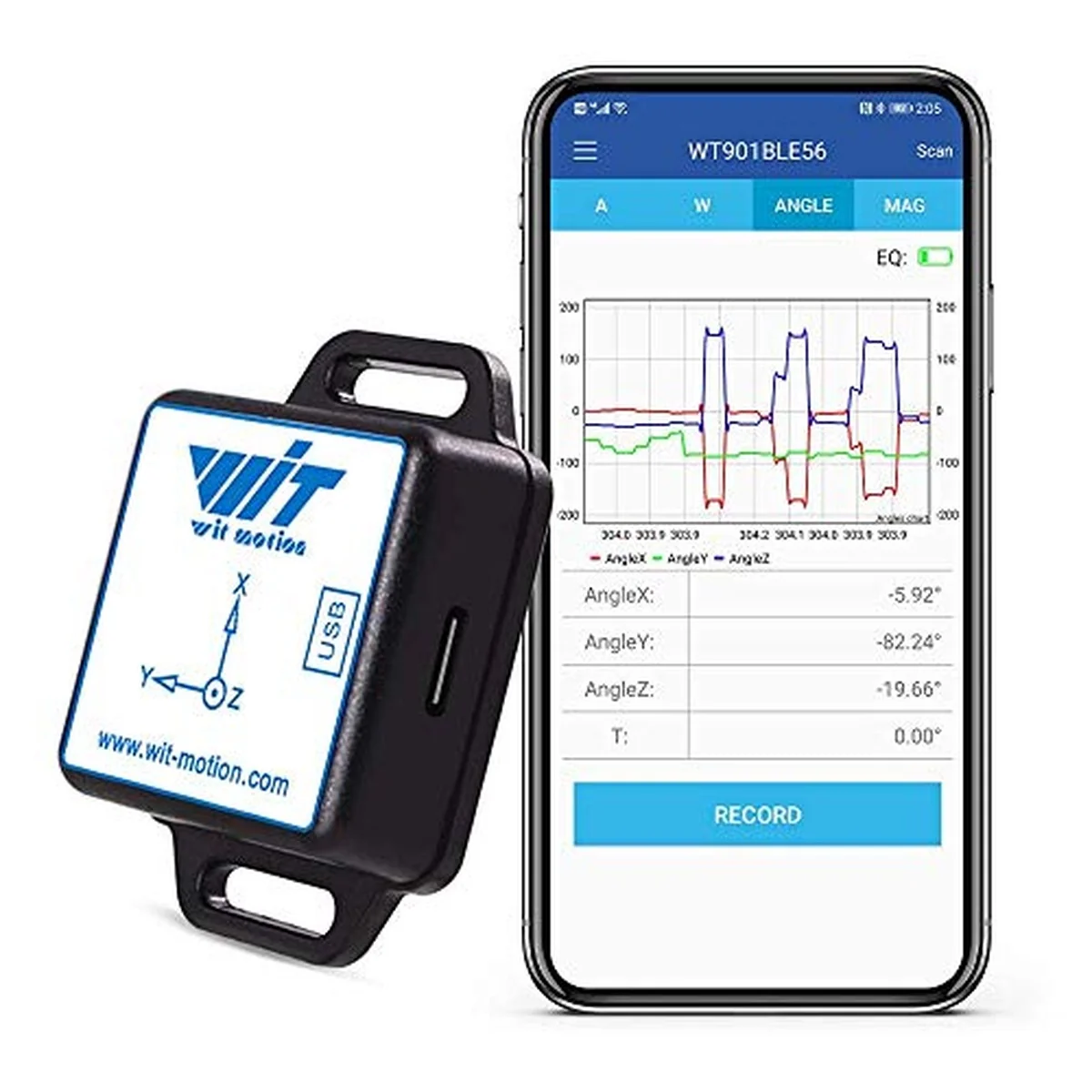
For projects where size matters more than ultimate precision, the WitMotion accelerometer range offers 9-axis motion sensing in packages smaller than a matchbox. Different league of accuracy, obviously, but perfect for robotics, drone stabilisation, and industrial monitoring where ±0.5° is acceptable.
Reliability and Maintenance
With no spinning parts to wear out, RLGs offer exceptional longevity. The helium-neon gas mixture does degrade over time — helium atoms slowly permeate through the glass block — but modern sealed designs maintain performance for 30,000+ operational hours. That's roughly 15 years of typical aircraft use.
The BSI quality standards (particularly BS EN 9100 for aerospace) govern manufacturing quality for these precision instruments, ensuring consistent performance across production batches.
Choosing Motion Sensors for Your Project
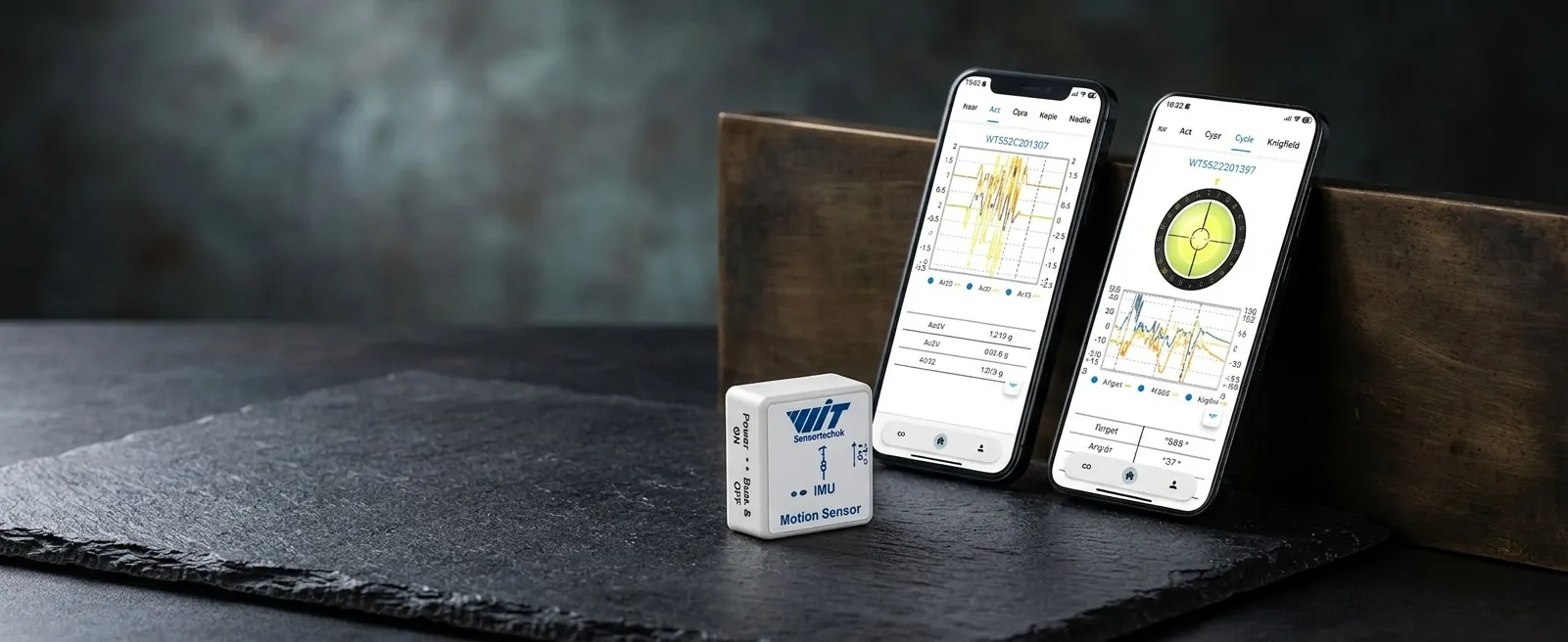
Right, let's be practical. Most people reading this won't need a £40,000 laser gyro. So how do you pick the right motion sensor for your actual requirements?, popular across England
Start With Your Accuracy Budget
Ask yourself: what position error can I tolerate after one hour of operation without external corrections? If the answer is:
- Less than 1 nautical mile: You need an RLG or high-end FOG. Budget £20,000+.
- 1–10 nautical miles: Tactical-grade FOG. Budget £3,000–£15,000.
- Greater than 10 nautical miles: MEMS IMU with GPS aiding. Budget £50–£2,000.
For the vast majority of UK industrial applications — structural monitoring, robotics, vehicle tracking, agricultural automation — a quality MEMS-based solution is spot on. The SENSORTECHUK Imu Recorder, priced at just £27.99 with free UK delivery, provides 9-axis motion data recording that's more than adequate for vibration analysis, tilt measurement, and motion logging. Proudly manufactured in the UK, it's a brilliant starting point.
Environmental Factors
Temperature range matters enormously. MEMS sensors can drift significantly with temperature changes — some cheap units shift 0.1°/s per °C. Higher-grade sensors include internal temperature compensation. RLGs, by contrast, maintain performance across their full -40°C to +71°C range with minimal calibration drift.
Vibration tolerance is another consideration. Ironically, the dither mechanism in an RLG makes it somewhat sensitive to external vibration at certain frequencies. MEMS sensors, being solid-state, handle harsh vibration environments better in many cases.
Integration and Data Output
Modern motion sensors for UK applications typically output data via serial interfaces (UART, SPI, I2C) or wireless protocols. For prototyping and lighter industrial use, Bluetooth-enabled accelerometer modules offer cable-free data collection — dead handy when you're monitoring something awkward to reach.
I've used wireless IMU modules around the house for everything from checking washing machine vibration levels to monitoring whether the kids' trampoline frame is developing any concerning tilt. My mate who's an engineer swears by them for quick site surveys. The data exports straight to a laptop — sorted.
Frequently Asked Questions
How does a ring laser gyroscope differ from a fibre optic gyroscope?
An RLG uses a gas laser within a solid glass block cavity, while a FOG wraps optical fibre (typically 1–5 km of it) around a spool. RLGs achieve better bias stability (0.003°/hr vs 0.05°/hr typical) but cost 2–4 times more. FOGs offer better vibration resistance and longer operational life exceeding 50,000 hours. Both have no mechanical moving parts in the sensing element itself.
What does a ring laser gyroscope cost in the UK in 2026?
Navigation-grade RLG units cost between £15,000 and £80,000 per axis depending on performance tier. A complete three-axis inertial navigation system incorporating RLGs typically runs £60,000–£250,000. For comparison, tactical-grade MEMS IMUs cost £200–£2,000, making them far more accessible for industrial motion sensors UK applications where extreme precision isn't required.
How do you say gyroscope correctly?
Gyroscope is pronounced "JY-roh-skohp" with emphasis on the first syllable. The word derives from Greek: "gyros" meaning circle and "skopos" meaning watcher. In technical contexts, you'll often hear it shortened to "gyro" (JY-roh). The adjective form "gyroscopic" is pronounced "jy-roh-SKOP-ik" with stress on the third syllable.
Can I use a ring laser gyroscope for home or small business applications?
Practically, no. RLGs are designed for aerospace and defence where their £15,000+ cost is justified. For home automation, structural monitoring, or small-scale industrial use, MEMS-based IMU sensors costing £25–£500 provide excellent performance. The SENSORTECHUK Imu Recorder at £27.99 offers 9-axis motion recording suitable for most domestic and light commercial sensing needs.
What is the best motion sensor for lighting control in the UK?
For motion sensor lighting control in UK homes, PIR (passive infrared) sensors remain the standard — they're cheap, reliable, and widely available from £8–£30. For occupancy sensing where you need to detect stationary presence, microwave or combined PIR/microwave sensors perform better, typically costing £25–£60. These are fundamentally different from gyroscopic sensors, which measure rotation rather than presence.
How long does a ring laser gyroscope last before replacement?
Modern RLGs have a mean time between failures (MTBF) exceeding 60,000 hours — roughly 20+ years of typical aircraft operational use. The primary degradation mechanism is helium gas leakage through the glass block, which gradually reduces laser gain. Some manufacturers offer gas replenishment services that extend operational life beyond 100,000 hours at a fraction of replacement cost.
Key Takeaways
- A ring laser gyroscope measures rotation using counter-propagating laser beams via the Sagnac effect, achieving bias stability of 0.001–0.01°/hr with zero mechanical wear.
- RLG technology costs £15,000–£80,000 per axis and is primarily suited to aerospace, defence, and submarine navigation where GPS denial is a factor.
- For UK industrial, commercial, and home sensing applications, MEMS-based IMU sensors (£25–£500) provide sufficient accuracy at a fraction of the cost — the SENSORTECHUK Imu Recorder at £27.99 is a solid entry point.
- The lock-in problem at low rotation rates is solved by mechanical dithering at 400–600 Hz or multi-oscillator cavity designs in newer units.
- RLGs offer 60,000+ hour MTBF with no routine maintenance, making lifecycle costs competitive despite high initial purchase price for applications that demand their precision.
- UK sensor suppliers now offer wireless 9-axis motion sensing modules with Bluetooth connectivity, making precision motion data accessible for prototyping and monitoring without specialist equipment.
- As of 2026, fibre optic gyroscopes are increasingly competitive with RLGs for tactical-grade applications, though RLGs retain the edge for navigation-grade performance below 0.005°/hr bias stability.
Ready to integrate WitMotion UK into your next project?
View Specifications — £117.04